SeedCounter began by counting orchid seeds, which look like dust, and today it measures grass, soybean, corn, rice, coffee and beans. Here is each one in full, from plant to seed, with the weight it carries in Brazil and what the orchid research group (GPEOrq) and the seed research group (GPSEM) study on it.
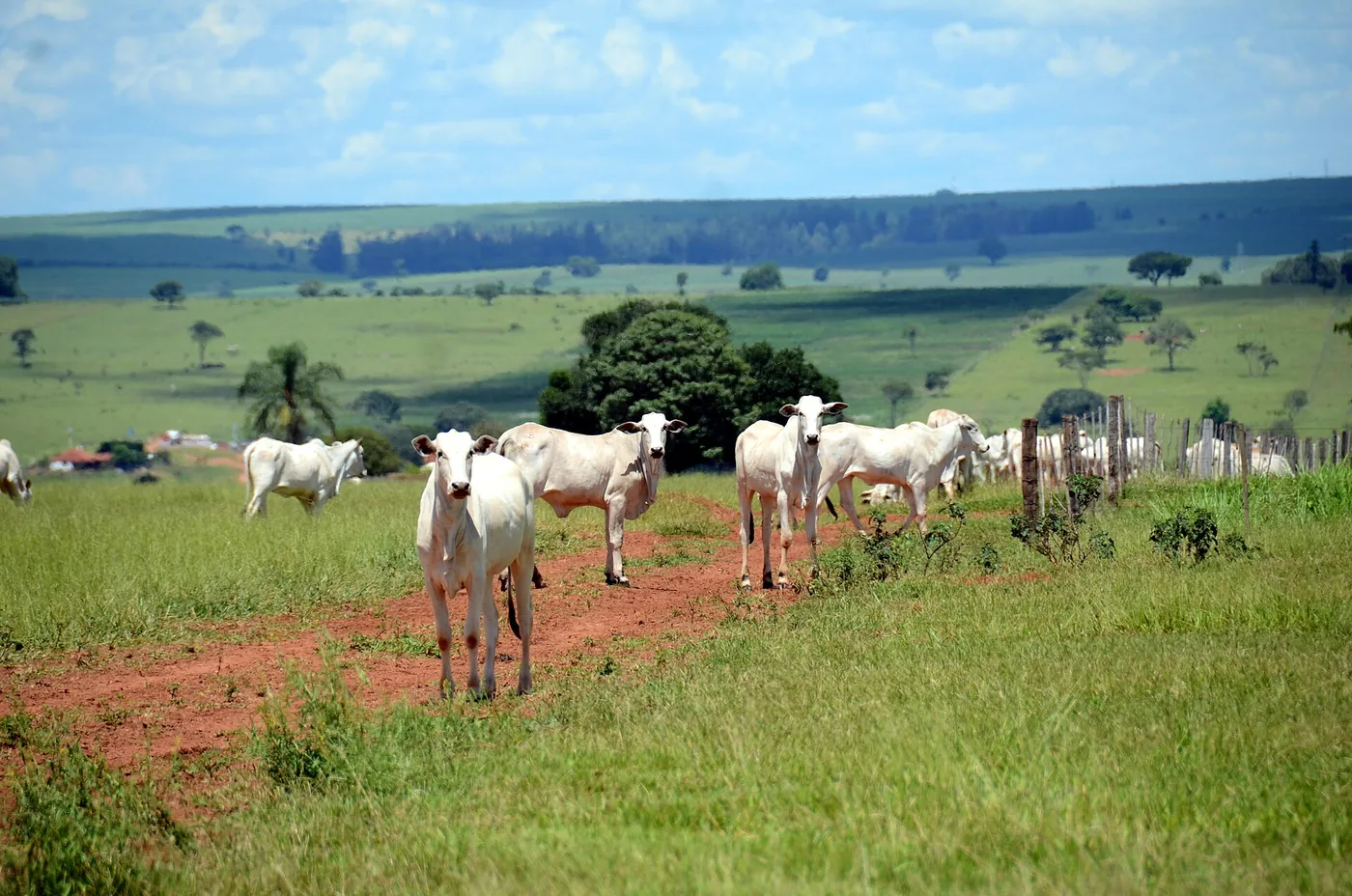
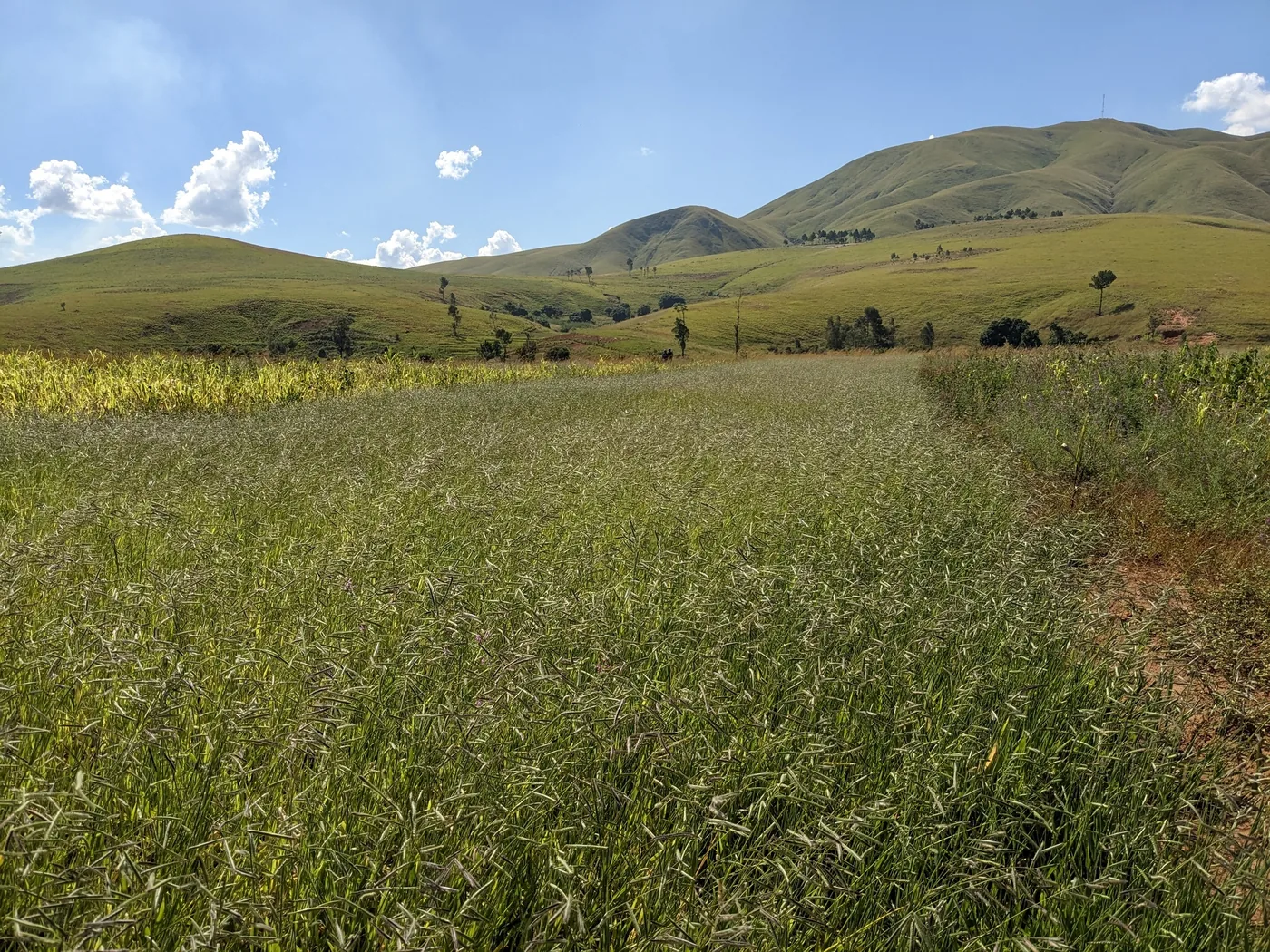
When people think of crops, soybean and sugarcane come to mind. On the map, grass takes up the most land: 165.6 million hectares of pasture in 2025, about a fifth of the country's territory. That is three times the area of soybean and sugarcane combined.
Area occupied in Brazil, in millions of hectares
Pasture165.6
Soybean44.2
Corn22.6
Sugarcane11.1
Pasture, soybean and sugarcane: MapBiomas, Collection 11, 2025 data. Corn: Conab, 2025/26 crop year, adding up the year's plantings, which often occupy the same land as soybean.
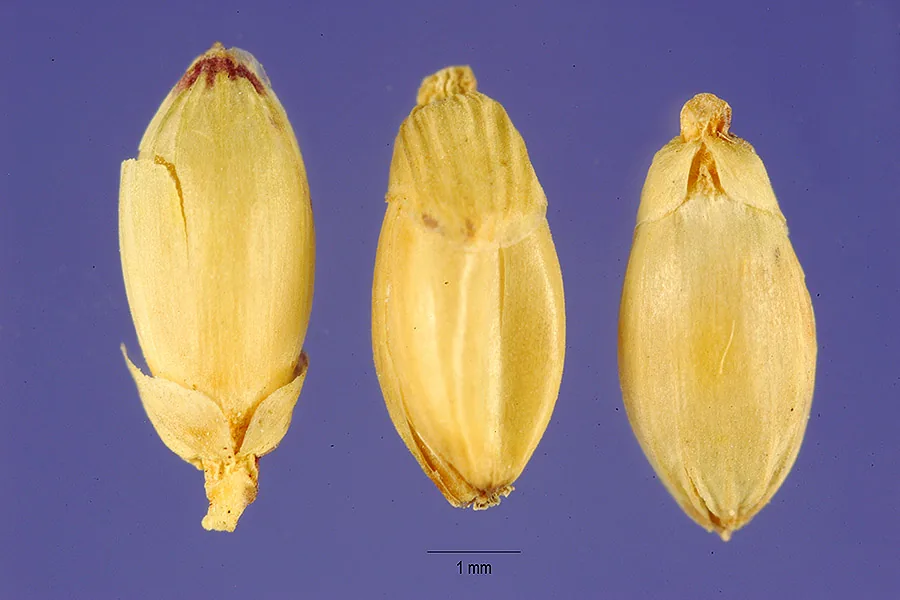
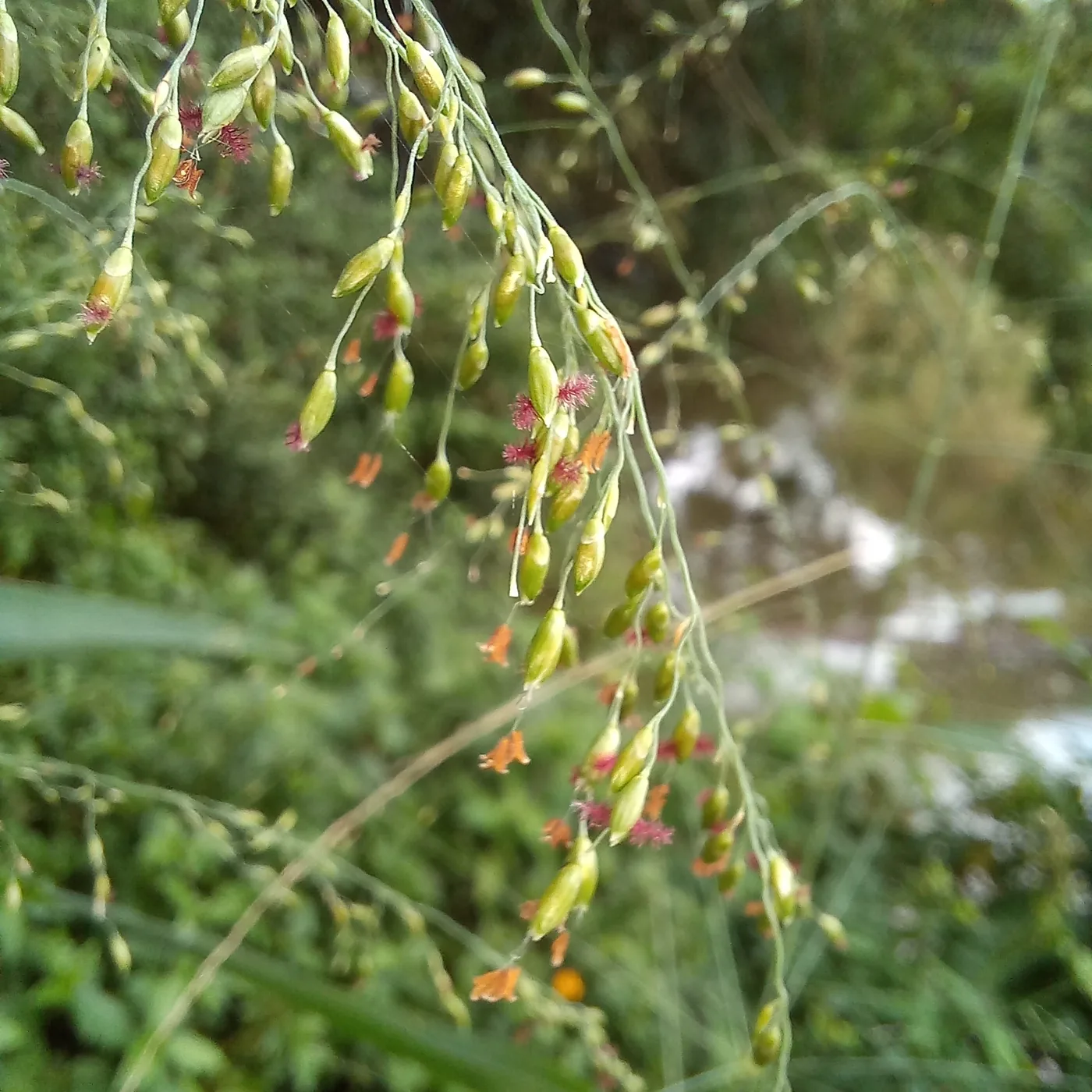
Cultivars such as Marandu and Piatã cover much of the country's pasture. The unit that is bought and planted is the spikelet: the caryopsis still enclosed in its glumes. That is why a grass test report counts full and empty spikelets, and not just viable and non-viable seeds.
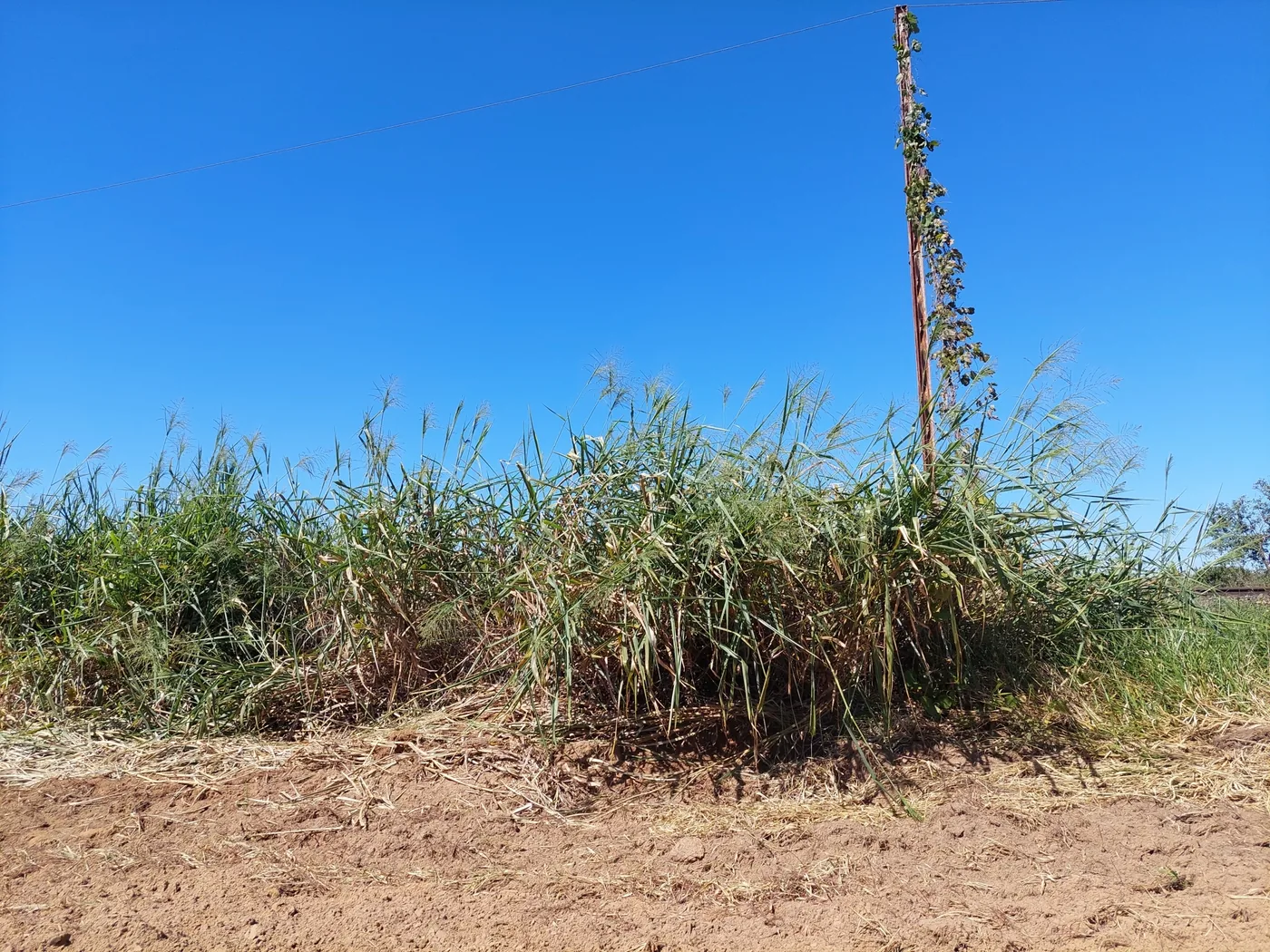
The former Panicum maximum, with cultivars such as Mombaça, accounts for about a quarter of the forage seeds produced in Brazil. Between 2013 and 2017, Marandu and Mombaça occupied almost half of the fields planted only to produce grass seed.
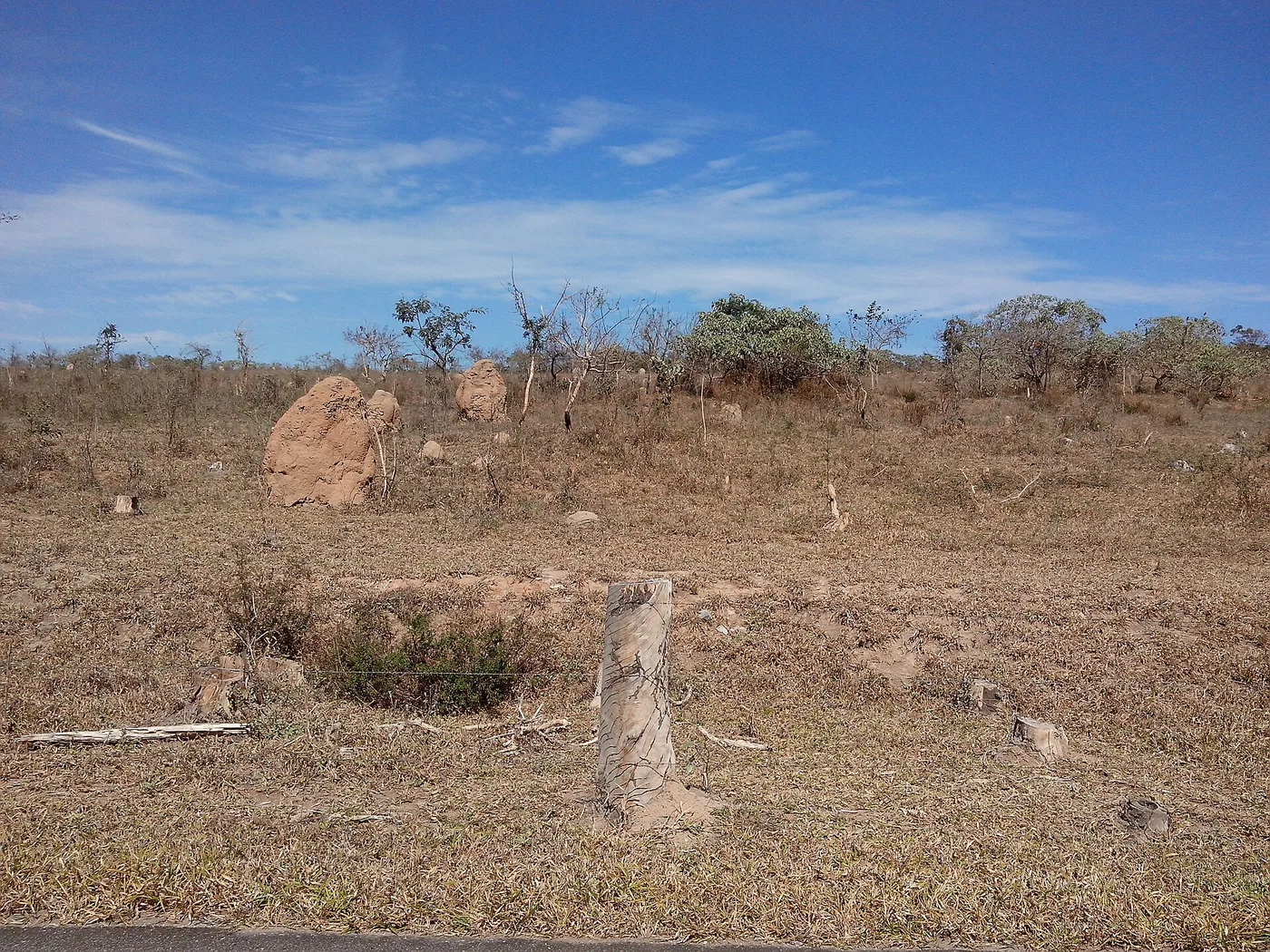
In the dry season, sparse grass, termite mounds and bare soil, signs that show up in a degraded pasture. Rural area in Itaúna (MG)Photo: Andrepimentasc, CC BY-SA 3.0
At the group's bench
Restoring pasture starts with a good seed
Restoring degraded pasture became public policy in 2023, with the national program for converting degraded pastures (Decree 11,815). And every renewed pasture starts with a seed lot, which has to arrive ready to germinate.
That is where GPSEM works. Prof. Ceci studies the tetrazolium test in tropical forage grasses, which tells dormant seeds from non-viable ones; the dormancy that breaks during storage; and near-infrared to read a seed lot without destroying the seed. Prof. Nelson coordinates GPMeF, the forage research and breeding group.
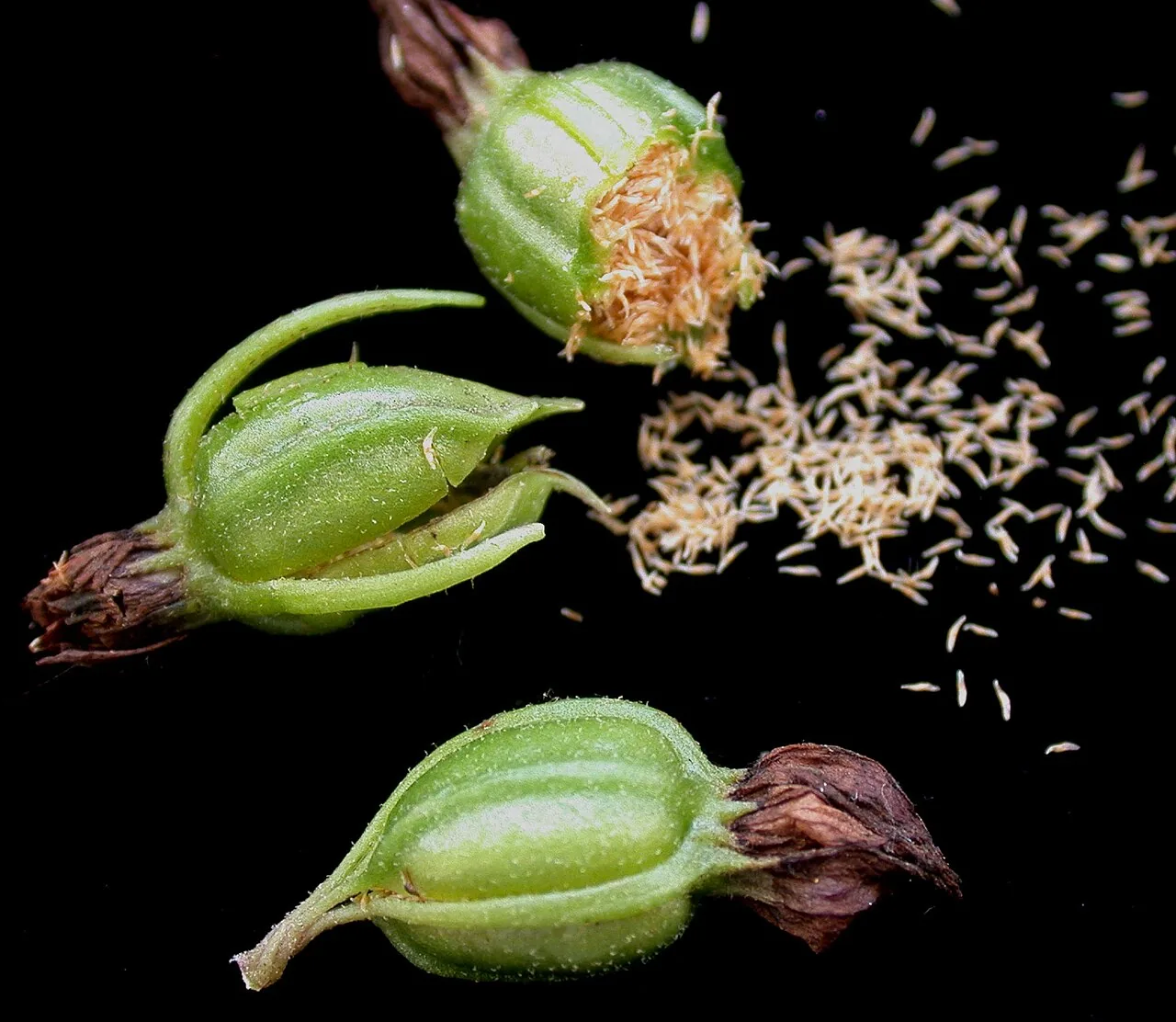
An orchid seed weighs 0.31 to 24 millionths of a gram and measures 0.05 to 6 mm. A single fruit can release up to 4 million of them. It has no endosperm, the reserve that feeds the embryo in other seeds, and in nature it only germinates with the help of a fungus.
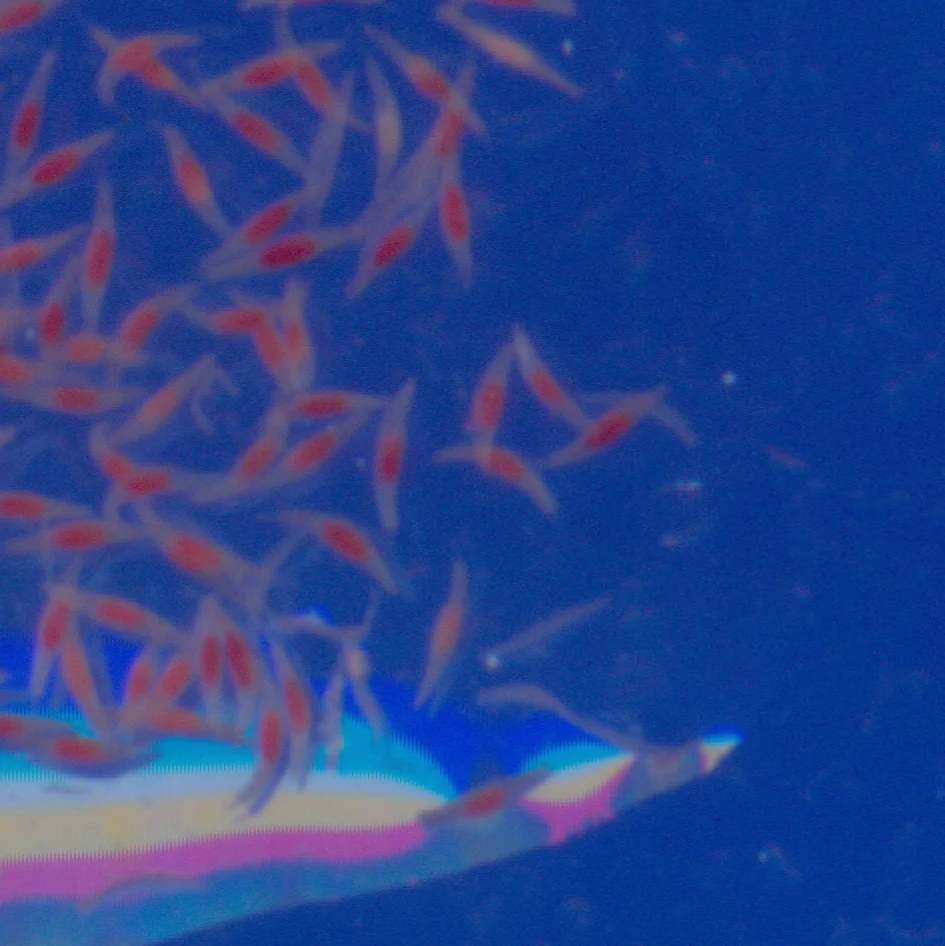
4 · In the tetrazolium test, a red embryo is living tissueReal image from GPEOrq
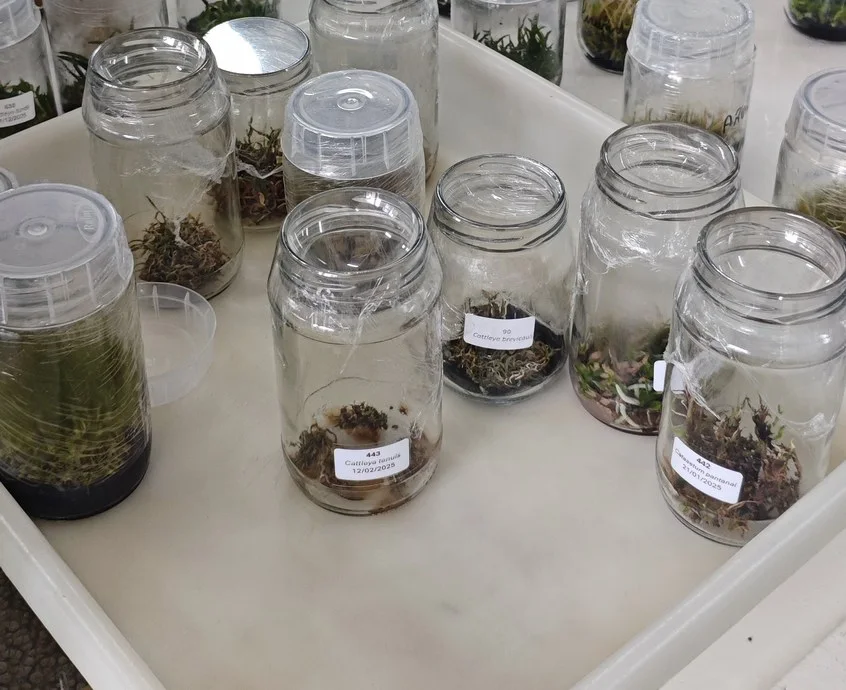
5 · In the lab, the seed germinates in a flask, without the fungusReal photo from GPEOrq
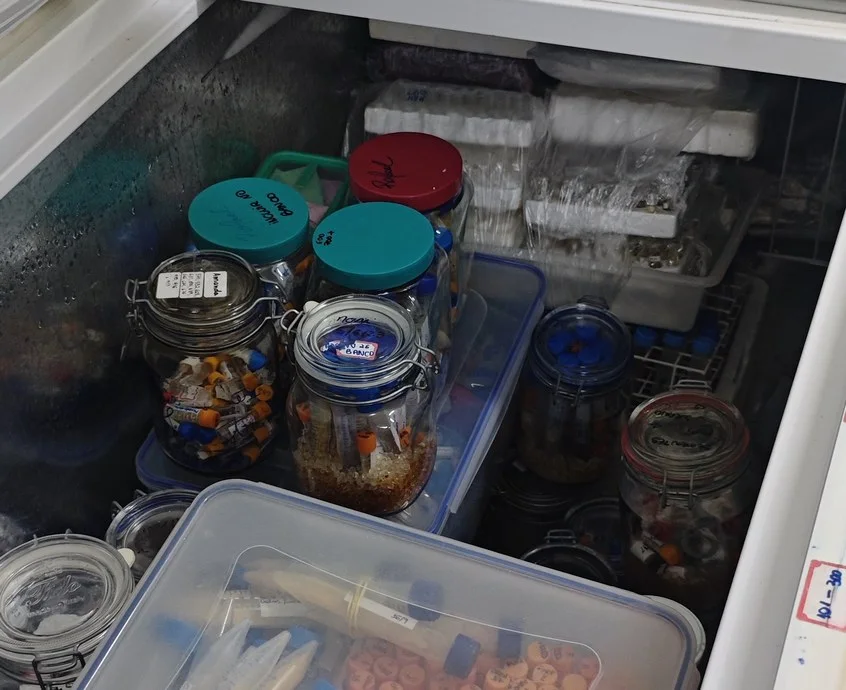
6 · And stored, dry and cold, in the seed bankReal photo from GPEOrq
2,515orchid species in Brazil, in 202 genera.
1,540exist only here. Brazil ranks second in the world in endemic orchids.
1,398species in the Atlantic Forest, the richest biome. Next come the Amazon, with 784, and the Cerrado, with 656.
1983Laelia purpurata, now Cattleya purpurata, became the floral emblem of Santa Catarina.
The group's work
More than a decade in the freezer
For a long time it was said that orchid seeds do not last long in storage. GPEOrq and GPSEM dried seeds of eight Cattleya species to about 3% moisture content and stored them at −18 °C in a conventional seed bank. After 13 to 14 years, all of them germinated again. With a sucrose pretreatment, seven exceeded 90% germination.
The authors' calculations estimate how long it would take until only half of the seeds were still viable: about 30 years in six species, 82 years in C. granulosa and 110 years in C. harrisoniana. Even without sucrose, the estimate for C. harrisoniana is more than 60 years. The longest-lived seeds had less air around the embryo.
Francisqueti A.M., Marin R.R., Hengling M.M., Hosomi S.T., Pritchard H.W., Custódio C.C., Machado-Neto N.B. (2024). Orchid seeds are not always short lived in a conventional seed bank! Annals of Botany 133(7), 941–952. doi:10.1093/aob/mcae021
Years stored at −18 °C
measured in the seed bank authors' estimate, with sucrose pretreatment unless stated otherwise. The same goes for SeedCounter: a solid line is what has been checked, a dashed line is a proposal.
Between 2007 and 2010, the OSSSU network of orchid seed banks brought together more than 20 institutes from 15 countries, led by Kew. It stored seeds of 386 species, 54% above the target, and created in-flask germination protocols for 239. Prof. Nelson was part of the network, and the group's seed bank follows the same path.
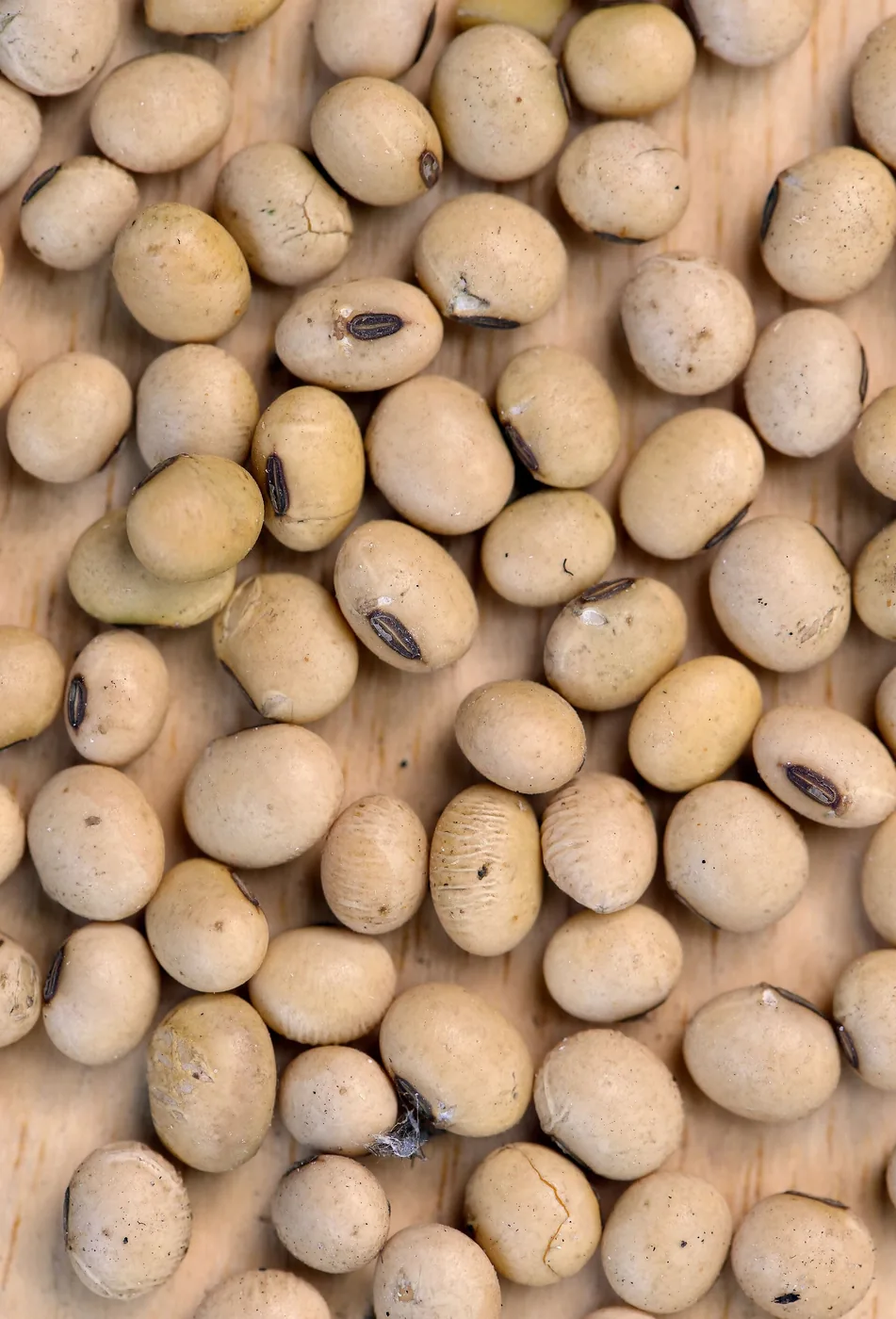
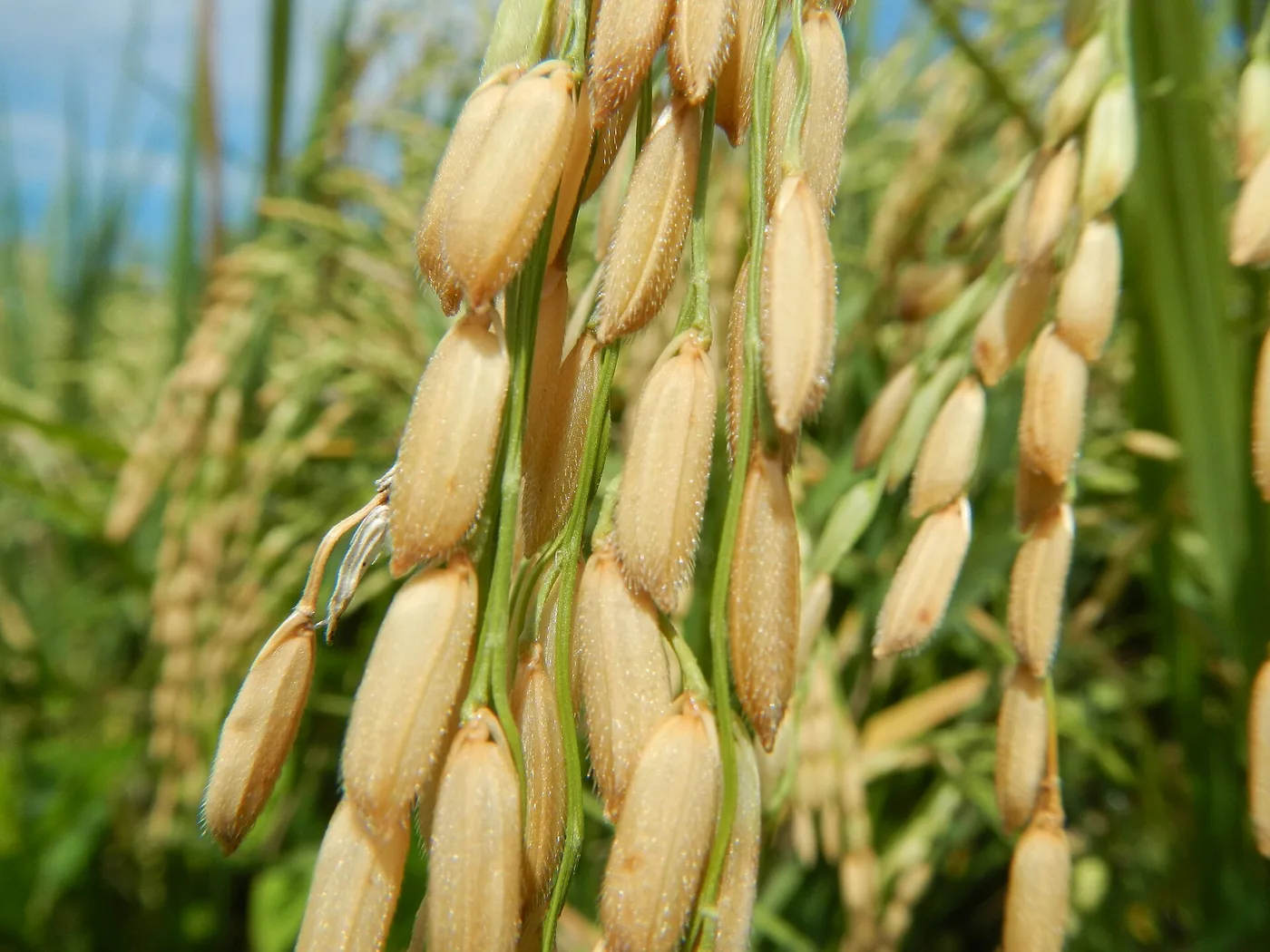
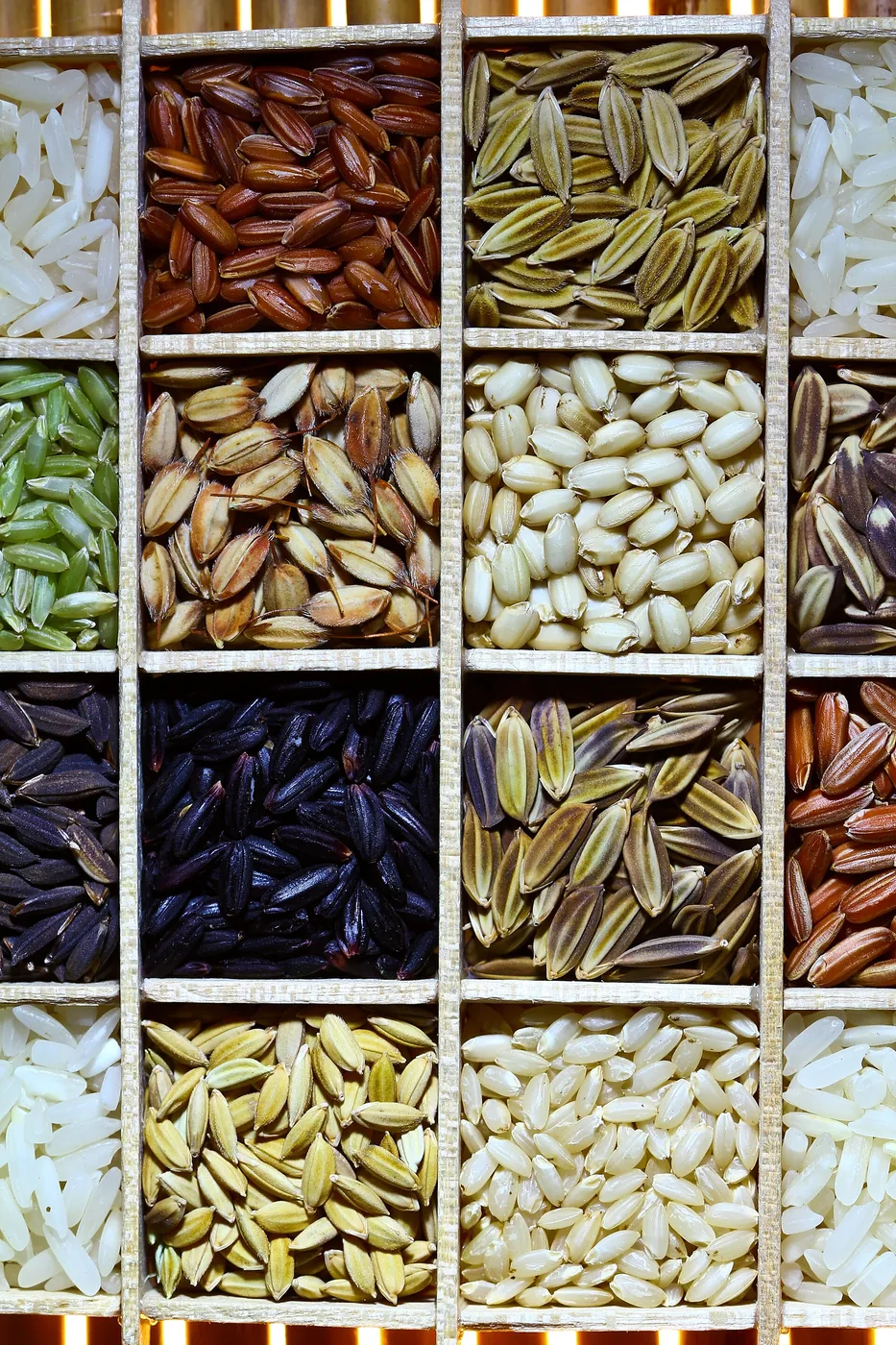
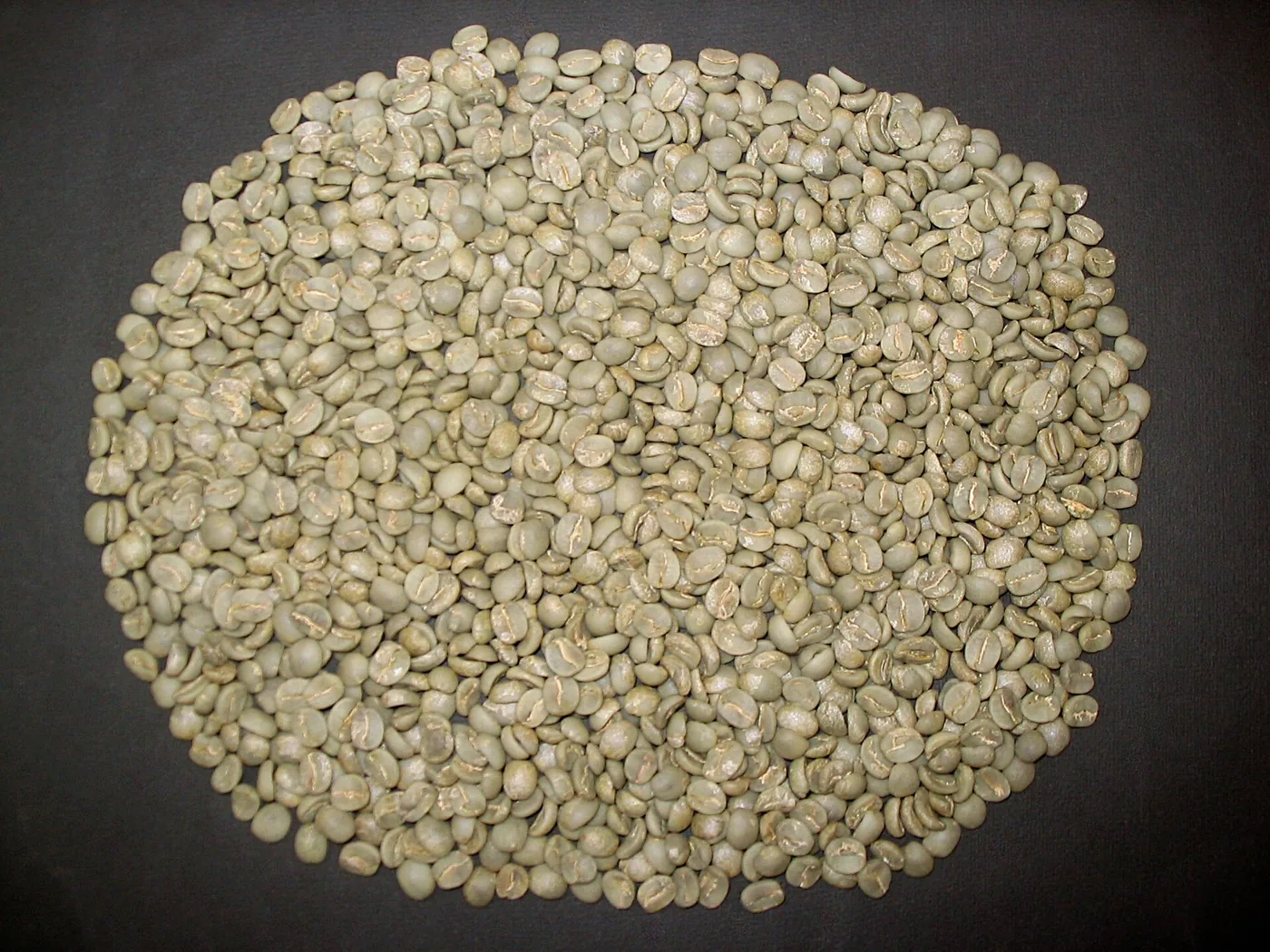
Soybean, corn, rice and coffee appear in the examples and in the Theory section. Each has its own shape, and the shape decides how the outline is found: soybean is round and sits apart, rice is long, coffee has a flat side.
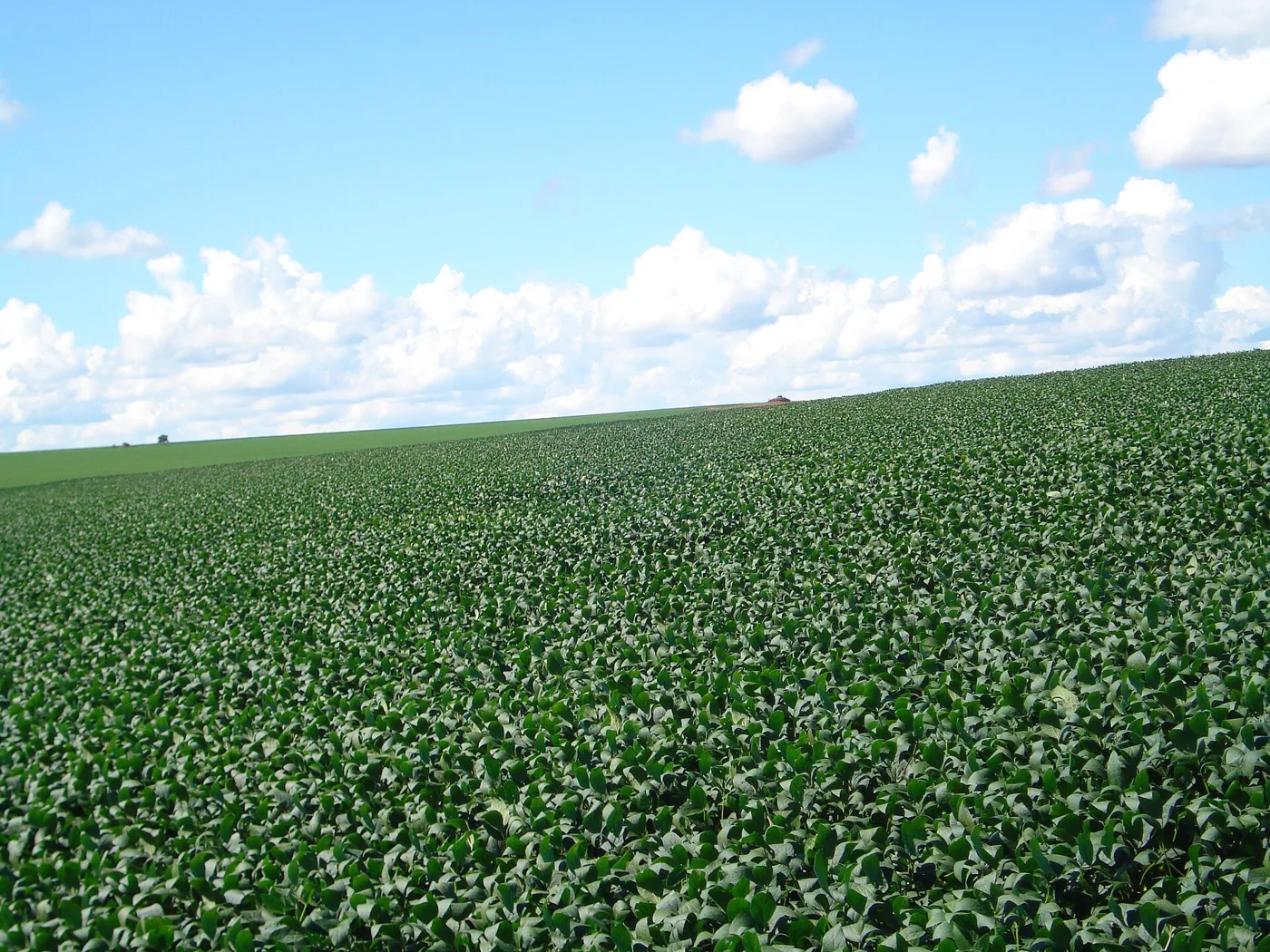
180.4 million t on 48.6 million ha in the 2025/26 crop year, according to Conab
Soybean associates with Bradyrhizobium bacteria in its roots and receives nitrogen from them. Embrapa estimates this saves more than $10 billion a year in fertilizer.
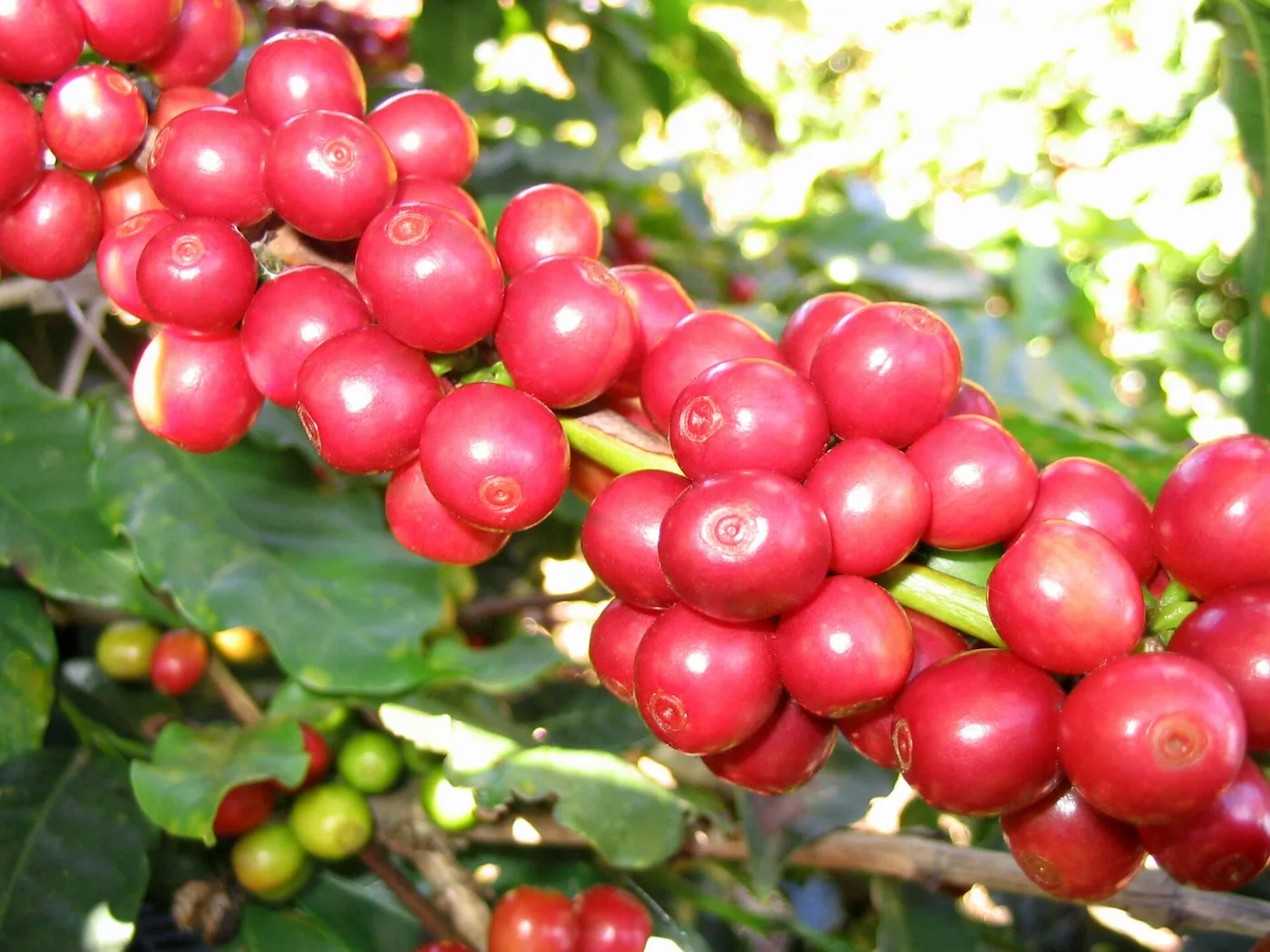
67.6 million 60 kg bags in the 2026 crop, according to Conab
The bean that goes to the roaster is the seed, and each fruit usually has two. Dried, it dislikes cold: it sits between seeds that tolerate drying and seeds that do not.
2.95 million t on 2.54 million ha in the 2025/26 crop year, according to Conab
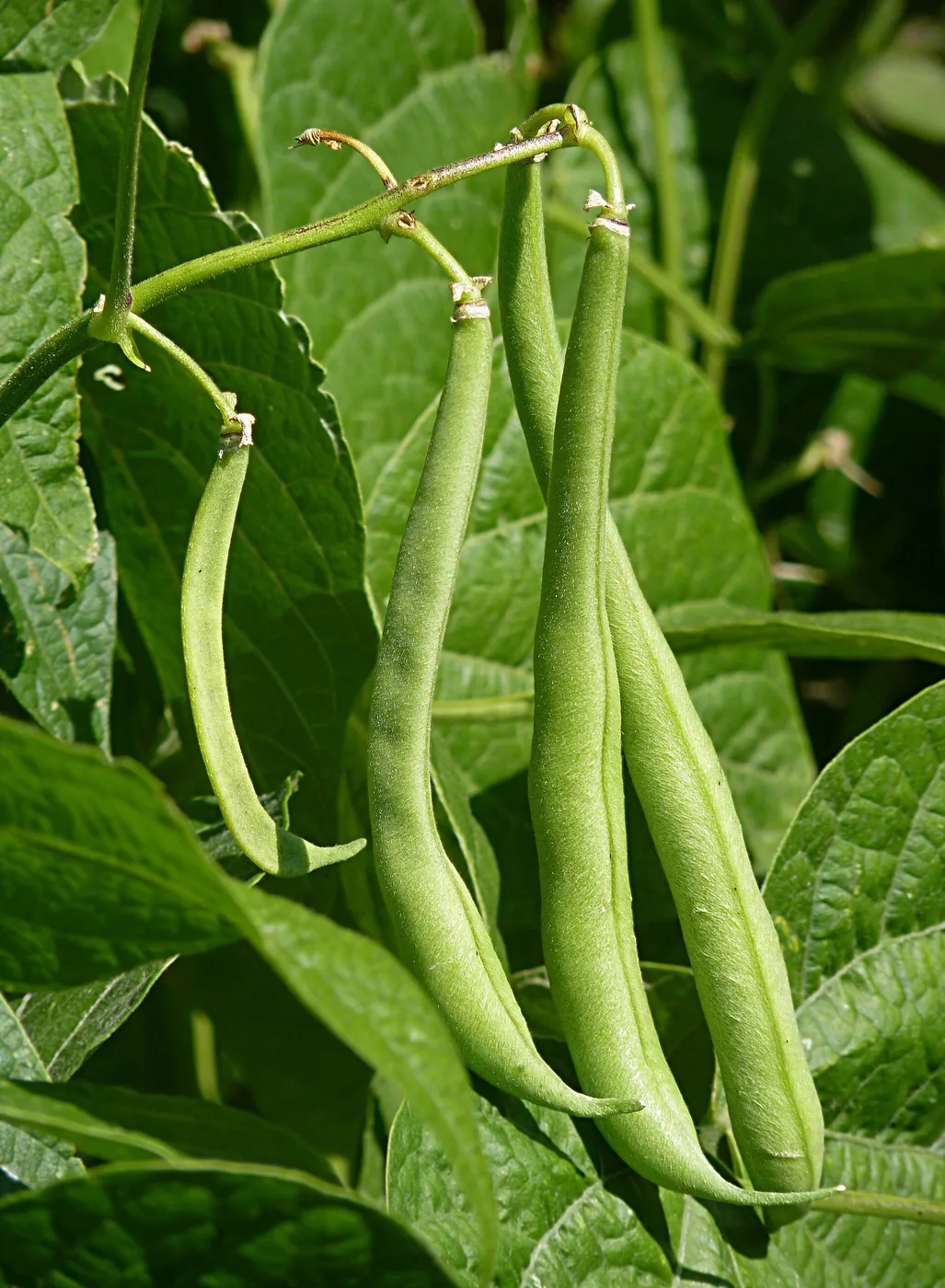
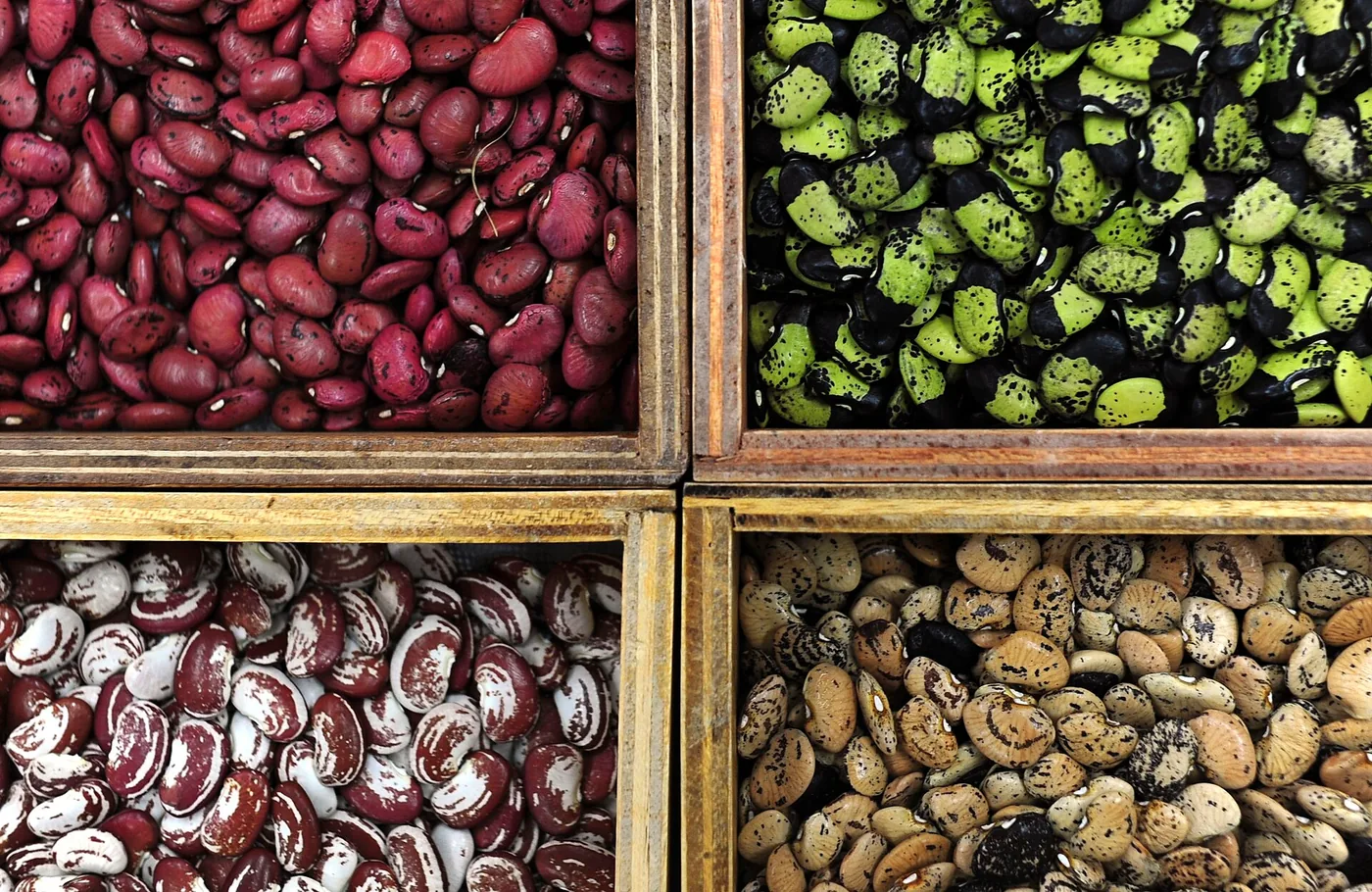
The commercial classes come from the seed coat color: carioca, black, striped, bolinha, rosinha. It is the kind of class an image reads well.
04 · From dust to coco de mer
All on the same ruler
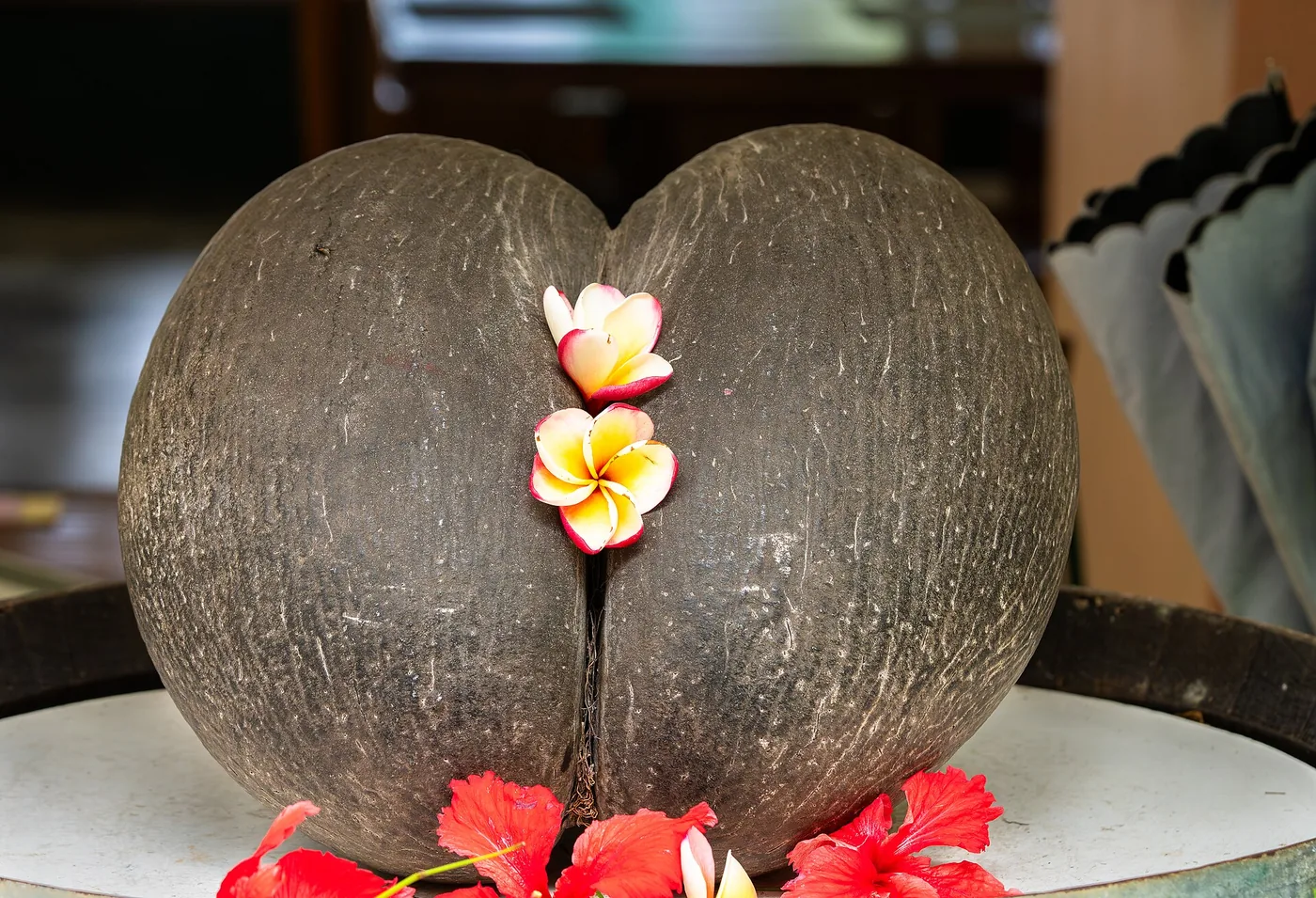
The smallest seed in Kew's seed bank measures 0.07 mm. The largest in the plant kingdom reaches half a meter. Change the window width and see which ones fit at each scale, always at their true size relative to one another.
The sizes, in a table
Seed
Length
Where the number comes from
Bletilla striata, orchid
0.07 mm
Kew, the smallest in the Millennium Seed Bank
Cattleya, orchid
0.68 mm
Measured by GPEOrq on the scanner, median
Signal grass, spikelet
4.8 mm
Measured on the USDA photo, from the 1 mm scale bar
Soybean
7.7 mm
Measured by the app on a public soybean dataset, median
Rough rice
≈ 8 mm
Typical value
Coffee
≈ 10 mm
Typical value
Corn
≈ 11 mm
Typical value
Bean
≈ 11 mm
Typical value
1 real coin
27 mm
For comparison, the same coin as in the seeds-on-a-coin post
Coco de mer
up to 500 mm
Kew, the largest seed in the world
05 · Fun facts
What a seed can endure
Seeds that wake up after centuries, vaults inside mountains and a test that stains red whatever is viable. Every number has its source.
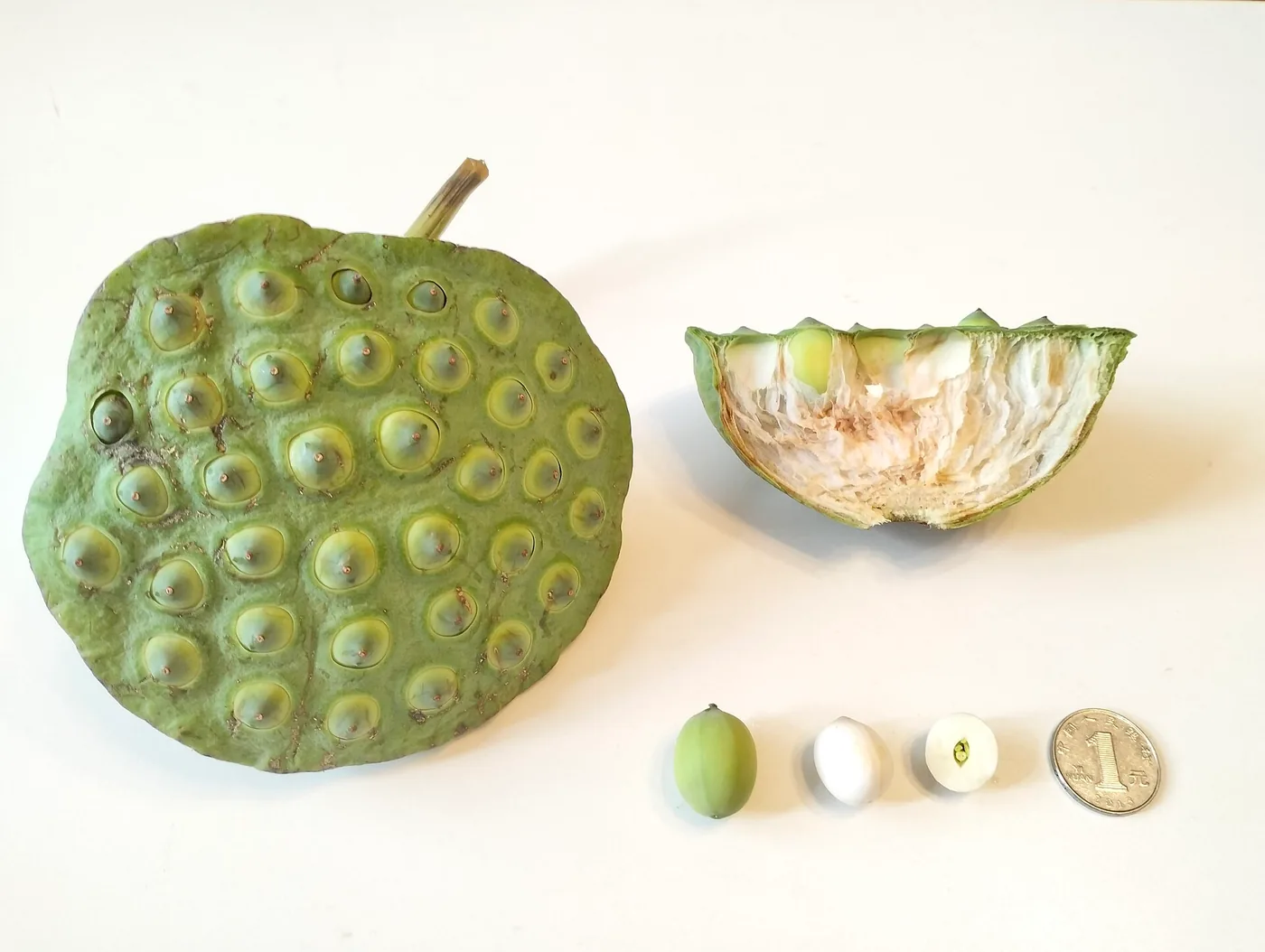
A sacred lotus seed almost 1,300 years old, found in the dry bed of a lake in northeastern China, was germinated by Jane Shen-Miller's team in California.
In 1879, William Beal buried 20 bottles of seeds in Michigan. The one opened in 2021 still had viable Verbascum seeds. The next comes out of the ground in 2040, and the experiment runs until 2100.
Russian researchers regenerated Silene stenophylla plants from fruit tissue stored in Siberian ice. Whole seeds did not germinate: the plants came from tissue culture.
The smallest seeds in the Millennium Seed Bank come from a Chinese terrestrial orchid, Bletilla striata. About fourteen would fit lined up along one millimeter of ruler.
As many as 4 million seeds have been counted in a single orchid capsule. Counting a plate of them by hand is the problem that gave rise to SeedCounter.
A hundred soybean seeds weigh 13 to 20 g. A thousand orchid seeds weigh 0.3 to 24 milligrams: to match the weight of a hundred soybean seeds, it would take some 540,000 to almost 67 million of them.
The tetrazolium test originated with Georg Lakon, in Germany. In Brazil, Embrapa Soja has given more than 90 courses on the test since 1984, to more than 2,200 professionals.
The plant photos are by third parties under open licenses, and each one credits its author in the caption. The numbers come from MapBiomas, Conab, IBGE, Embrapa, Kew and the papers cited on each card.
Third-party photo credits (26)
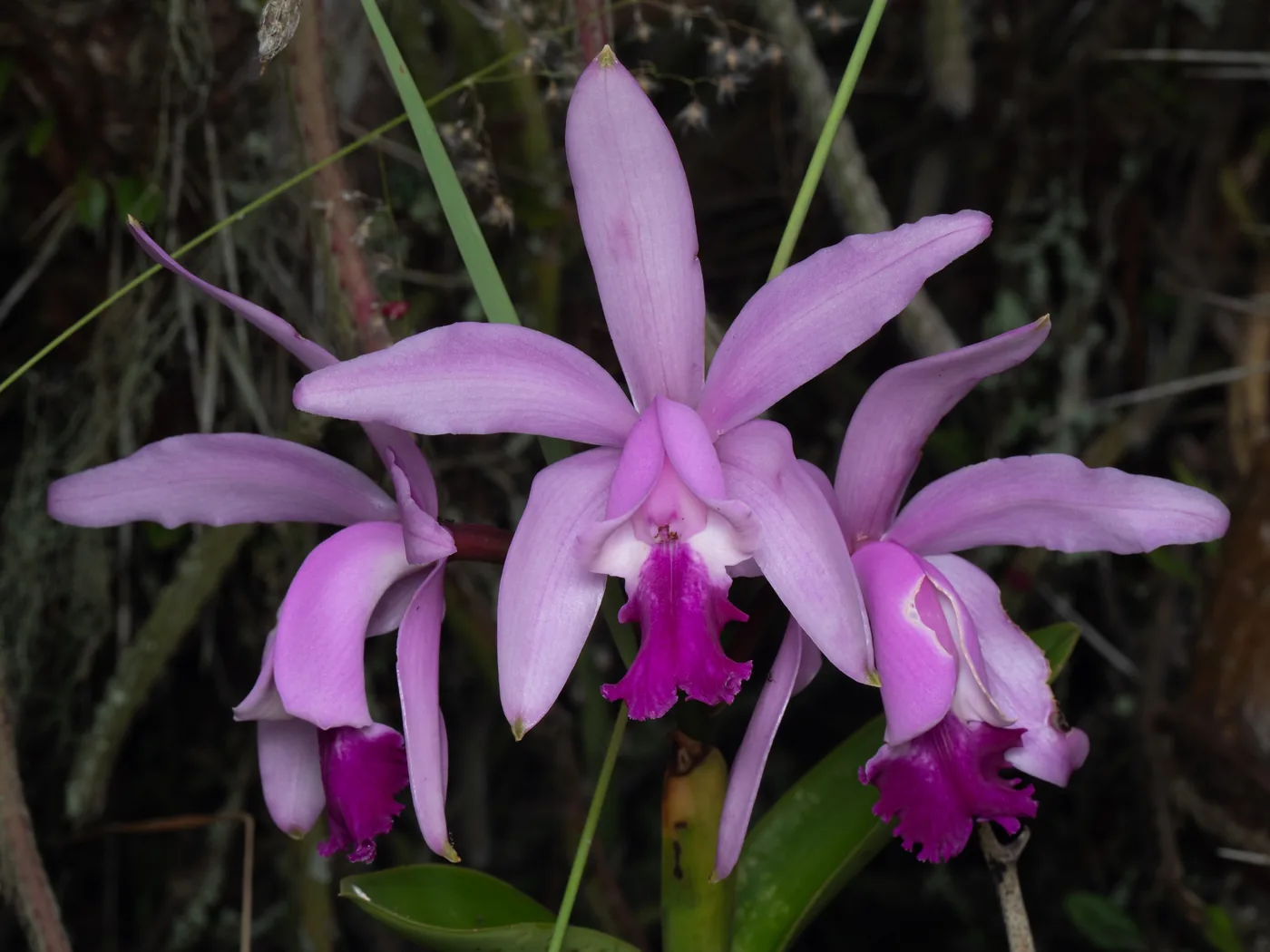
Cattleya intermedia in bloom in Rio Grande do SulCattleya intermediaMartin Klippel · CC BY 4.0 · iNaturalist
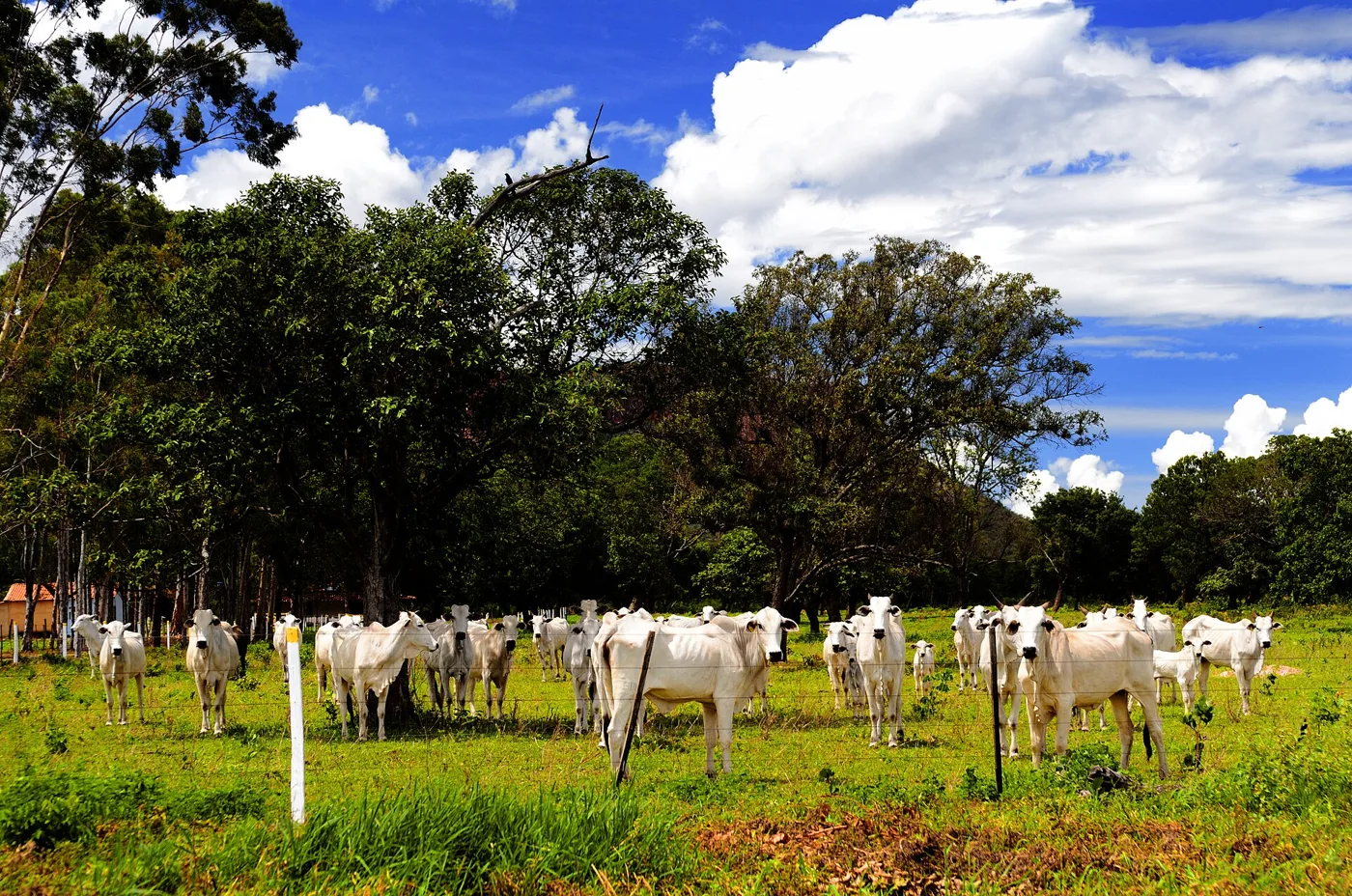
Nelore cattle on pasture in BrazilBos taurus indicus (Nelore)Carlos Ebert · CC BY 2.0 · Wikimedia Commons
Clump of Megathyrsus maximus in Itirapina (SP)Megathyrsus maximusliriodobrejoufscar · CC BY 4.0 · iNaturalist
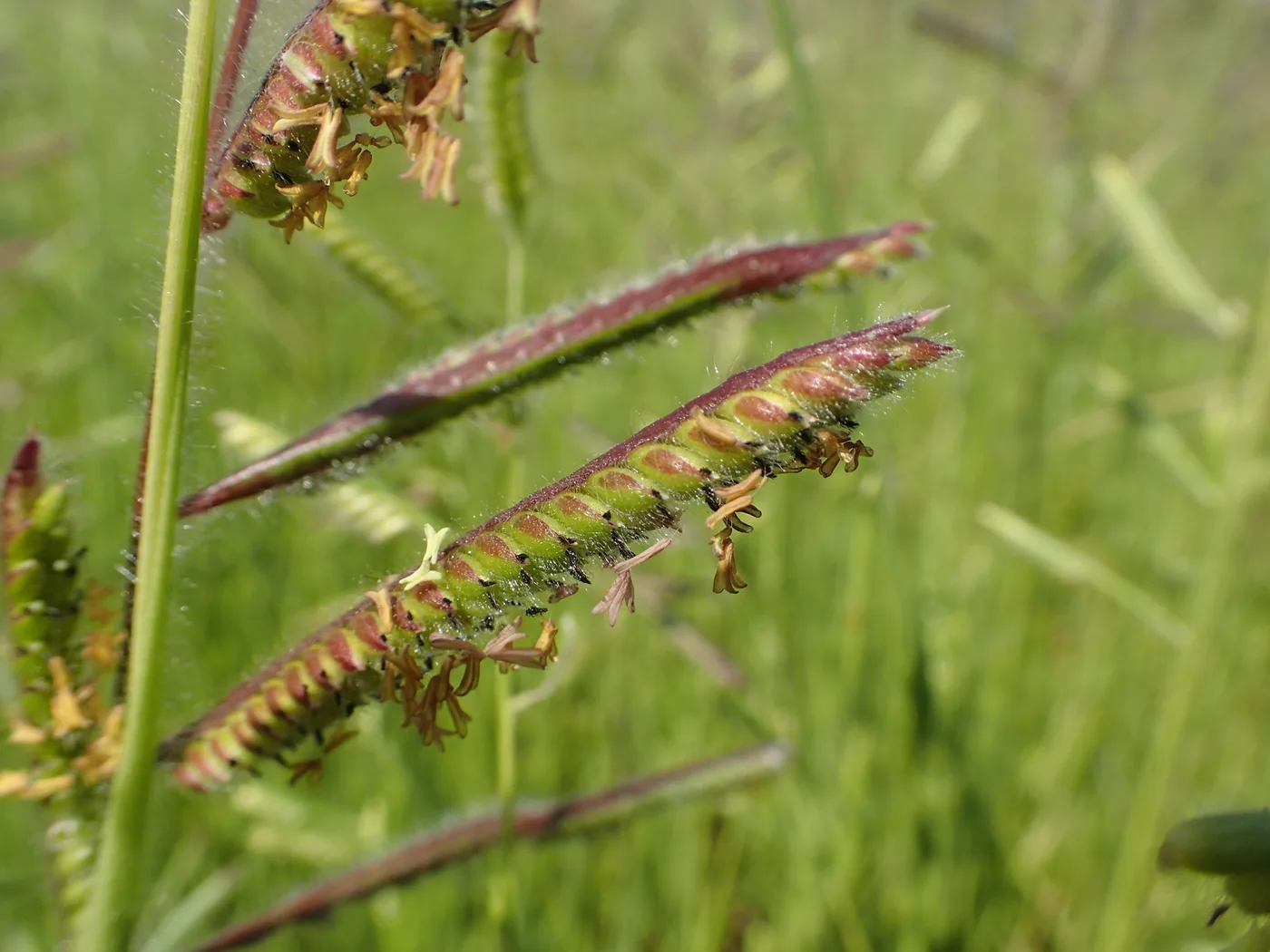
Panicle of Megathyrsus maximus with spikelets and reddish stigmasMegathyrsus maximusPatrícia Mees · CC BY 4.0 · iNaturalist
Rural land with termite mounds and bare soil in the dry season, in Itaúna (MG)Andrepimentasc · CC BY-SA 3.0 · Wikimedia Commons
Open capsule of Epipactis helleborine releasing its seeds, fine as dustEpipactis helleborineGilles Ayotte · CC BY-SA 4.0 · Wikimedia Commons
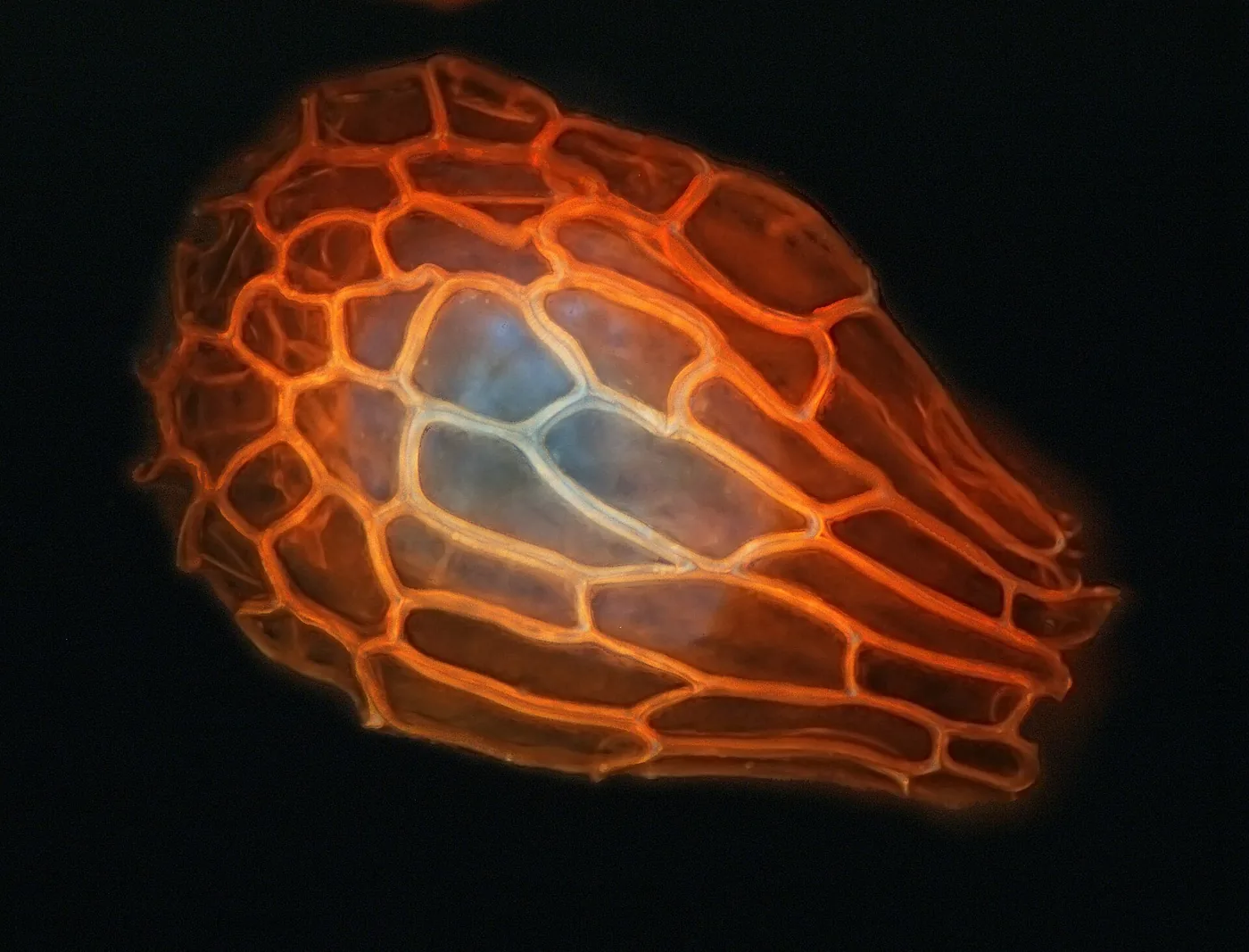
Seed of Nigritella rhellicani under a fluorescence microscope, with its netted seed coatGymnadenia rhellicani (sin. Nigritella rhellicani)Tomas Figura · CC BY-SA 4.0 · Wikimedia Commons
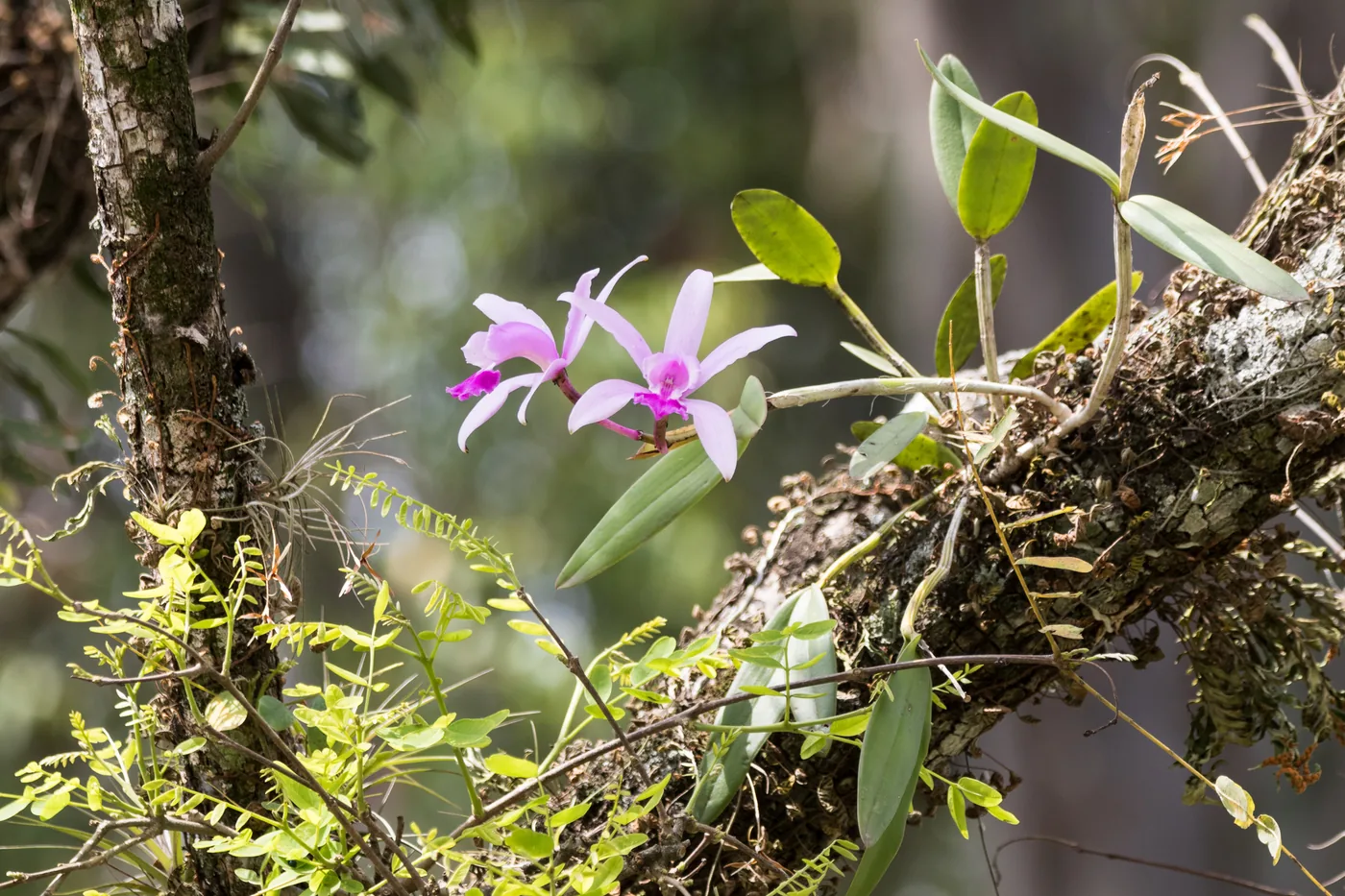
Cattleya intermedia on a branch in the forest, in Rio Grande do SulCattleya intermediaFrank Thomas Sautter · CC0 1.0 · iNaturalist
Four bean varieties in the CIAT genebank, in ColombiaPhaseolus vulgarisNeil Palmer (CIAT) · CC BY-SA 2.0 · Wikimedia Commons
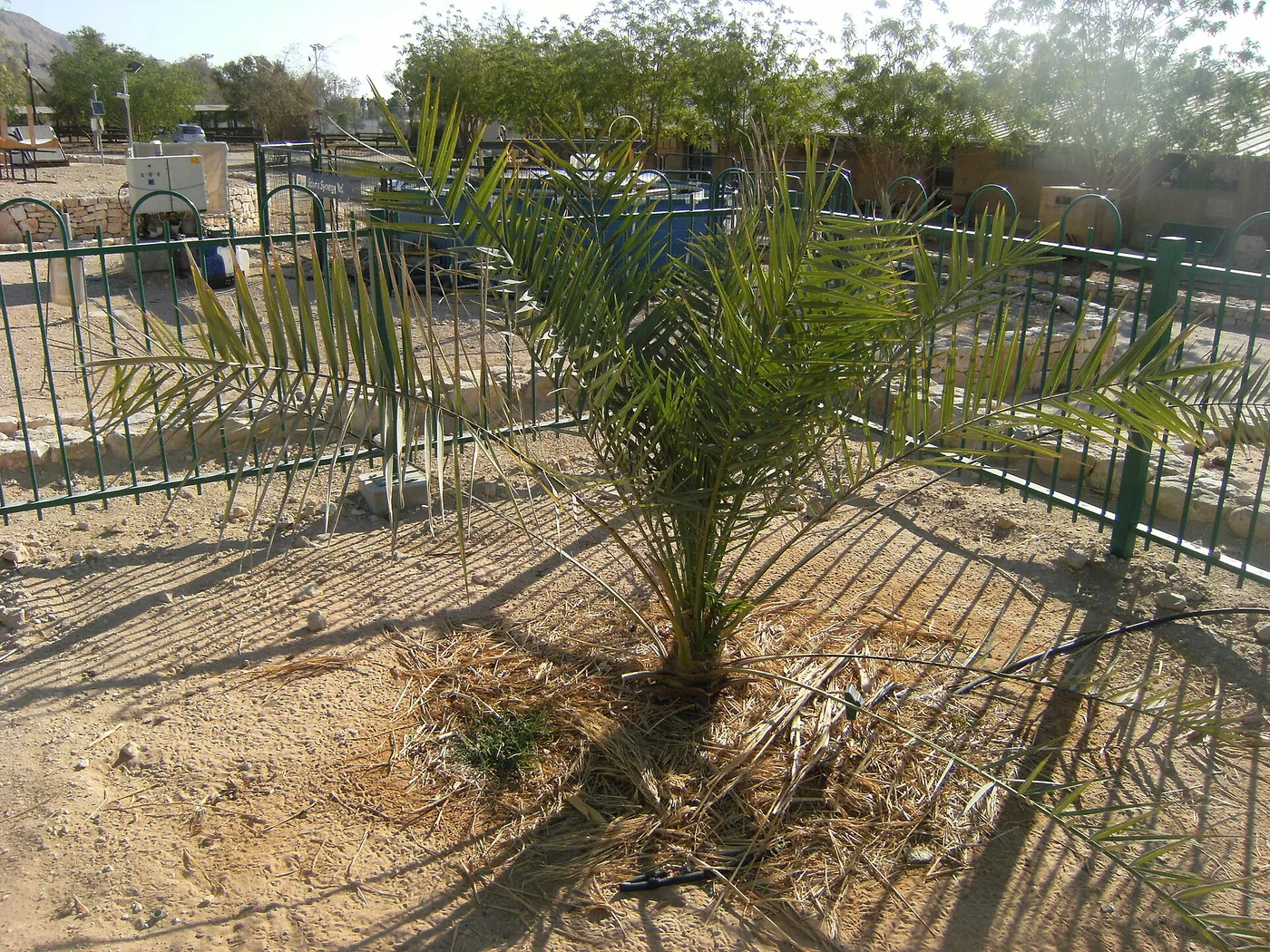
Methuselah, a date palm grown from a seed about 2,000 years old, at Kibbutz Ketura (Israel)Phoenix dactyliferaBenjitheijneb · CC BY-SA 3.0 · Wikimedia Commons
Lotus receptacle and seeds, whole and cut, with a 1 yuan coin for scaleNelumbo nuciferaShwabb1 · CC BY-SA 4.0 · Wikimedia Commons
Coco de mer seed, the largest in the plant kingdom, with frangipani flowers for scaleLodoicea maldivicaNorbert Nagel · CC BY-SA 4.0 · Wikimedia Commons
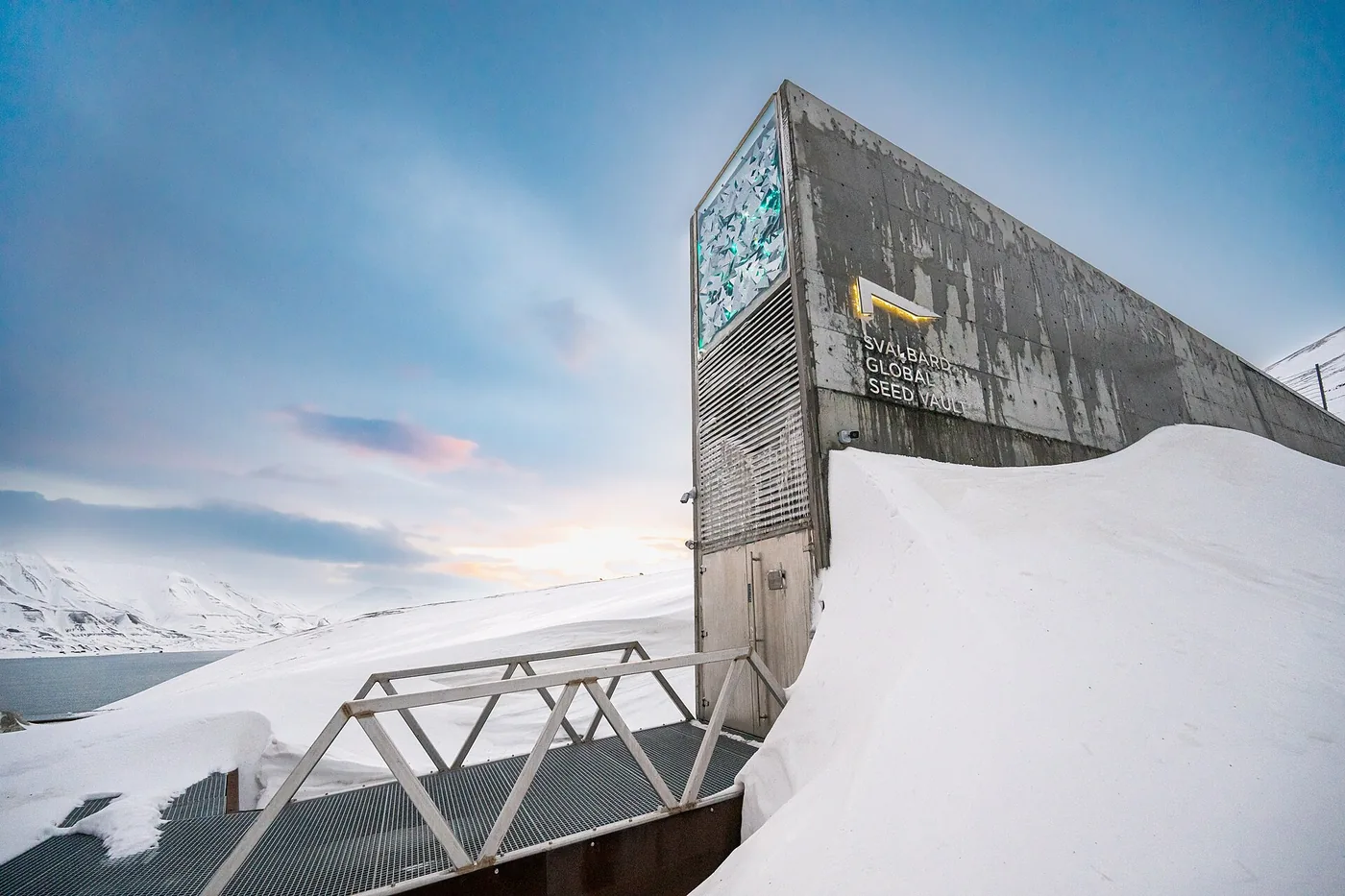
Entrance of the Svalbard Global Seed Vault, in Norway, in February 2025Michael Major / Crop Trust · CC BY-SA 2.0 · Wikimedia Commons
Openly licensed photos from Wikimedia Commons, iNaturalist and USDA PLANTS, resized and converted to WebP. Photos marked as real with no credit come from GPEOrq and GPSEM.
MapBiomas, Collection 11 (August 2026): pasture, soybean and sugarcane in 2025. December 2025 pasture survey: pasture vigor in 2024.
Conab, 12th survey of the 2025/26 grain crop (September 2026) and 3rd survey of the 2026 coffee crop.
IBGE, Municipal Livestock Survey 2025. Embrapa, Pastures Portfolio (2020). Embrapa Beef Cattle, CiCarne Bulletin 35 (2020), on forage seeds.
Pessoa et al. (2025), Plants 14(22), 3520, on the orchids of Brazil, based on the Flora e Funga do Brasil. Government of Santa Catarina, state symbols.
Darwin Initiative, final report of project 16-012 (OSSSU). Francisqueti et al. (2024), Annals of Botany 133(7), 941–952.
Embrapa: Costa (2023) on biological nitrogen fixation; Paes (2006) on the corn kernel; Vieira and Rabelo (2006) on rice. EPAMIG on the coffee fruit.
Now with your seeds.
Orchid, grass, soybean or anything that fits on a plate: count, measure and check in the browser.



.jpg)


